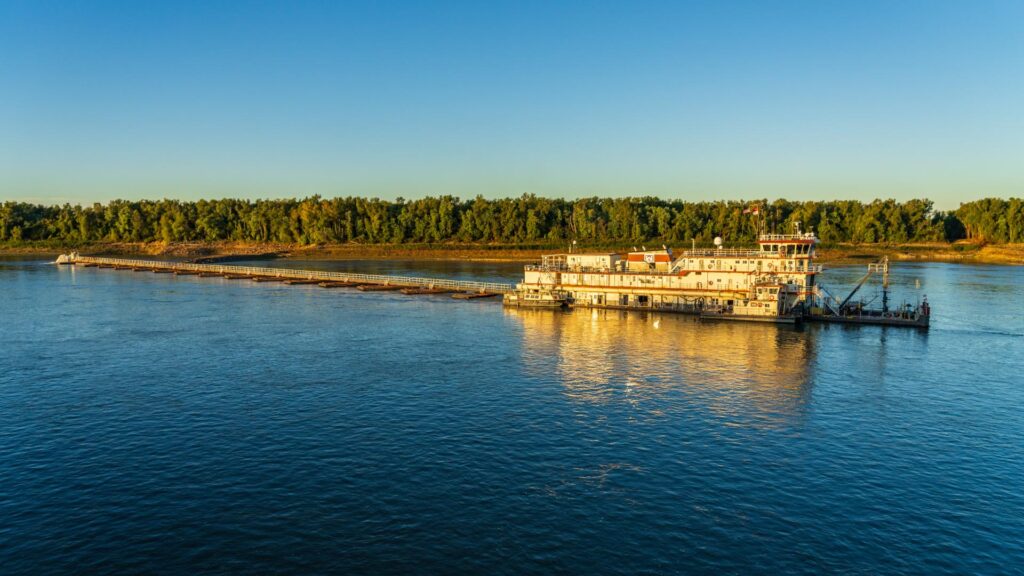
Dredging is one of those essential services that often goes unnoticed until a waterway stops functioning the way it should. Across Missouri, communities, industries, and property owners rely on dredging to manage sediment buildup, maintain access, reduce flooding risks, and protect valuable infrastructure. Whether a city maintains a public lake or a business keeps its waterfront operational, understanding the real drivers of dredging costs in Missouri is critical to responsible planning.
At Missouri Dredge, dredging is not treated as a one-size-fits-all service. Every site, water body, and client has unique challenges that directly affect pricing, timelines, and equipment selection. With deep local experience across Missouri rivers, reservoirs, ponds, and industrial waterways, Missouri Dredge has become a trusted partner to public agencies and private organizations seeking practical, cost-effective dredging solutions.
This guide is designed to help municipalities and commercial clients understand what goes into dredging costs in Missouri, why pricing varies from project to project, and how informed planning can lead to better outcomes and long-term value.
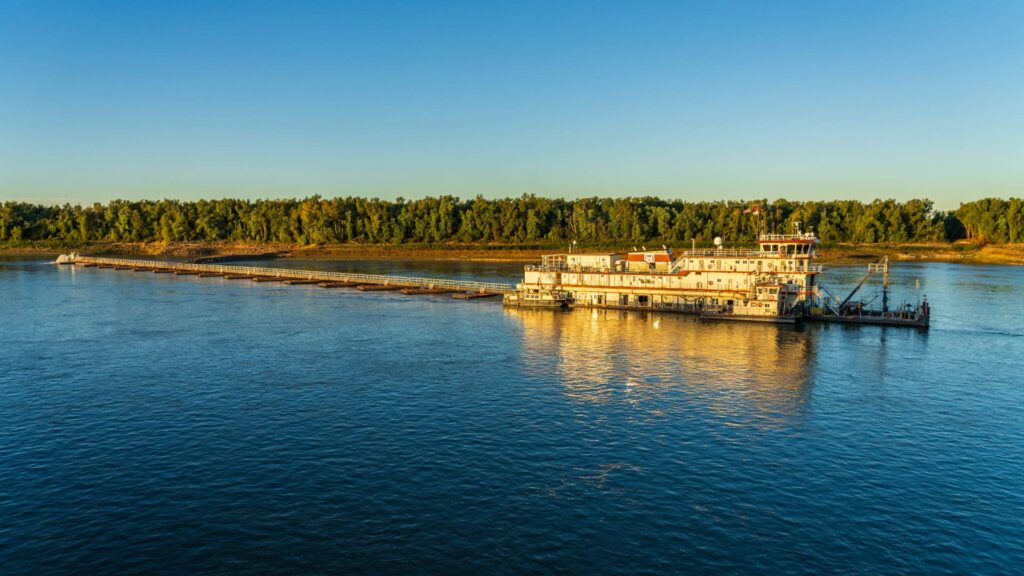
What Are Dredging Costs in Missouri? An Overview
At its core, dredging costs reflect the resources required to safely and effectively remove sediment from a water body. This includes equipment, skilled crews, site logistics, environmental compliance, and proper handling of dredged material. In Missouri, these factors are shaped by geography, soil conditions, access limitations, and regulatory oversight.
When comparing municipal and commercial dredging projects and expenses, cost structures often differ even when the physical work appears similar. Municipal work frequently emphasizes long-term public benefit, environmental protection, and community safety. Commercial work often focuses on minimizing downtime, protecting assets, and keeping operations running smoothly.
Accurate cost planning is not simply about selecting the lowest bid. It is about understanding what the project truly requires and working with a contractor that can identify risks early, select the right approach, and deliver reliable results. That is where experienced local providers like Missouri Dredge make a measurable difference.
Key Factors That Influence Dredging Costs in Missouri
- Project Scope and Scale
One of the most significant contributors to dredging costs in Missouri is the project scope. The size of the area being dredged and the total volume of material to be removed directly affect labor hours, equipment run time, and disposal needs.
A small sediment removal project in a retention pond is fundamentally different from restoring capacity in a large reservoir or river channel. Deeper dredging often requires additional planning, longer schedules, and heavier equipment, all of which influence cost.
Missouri Dredge works closely with clients to define the scope accurately from the start, helping prevent unexpected changes that can disrupt budgets.
- Material Type and Soil Conditions
Missouri’s waterways contain a wide range of material types. Some areas are dominated by loose sand and silt, while others contain heavy clay or compacted sediment. Each material behaves differently during dredging.
Softer materials are typically faster to remove, while dense clay or debris-laden sediment requires more effort and specialized equipment. In some cases, sediment may be contaminated by historical industrial activity, which can introduce additional handling and disposal requirements.
These material conditions are a key driver behind dredging costs in Missouri and highlight the importance of proper site evaluation before work begins.
- Access and Site Logistics
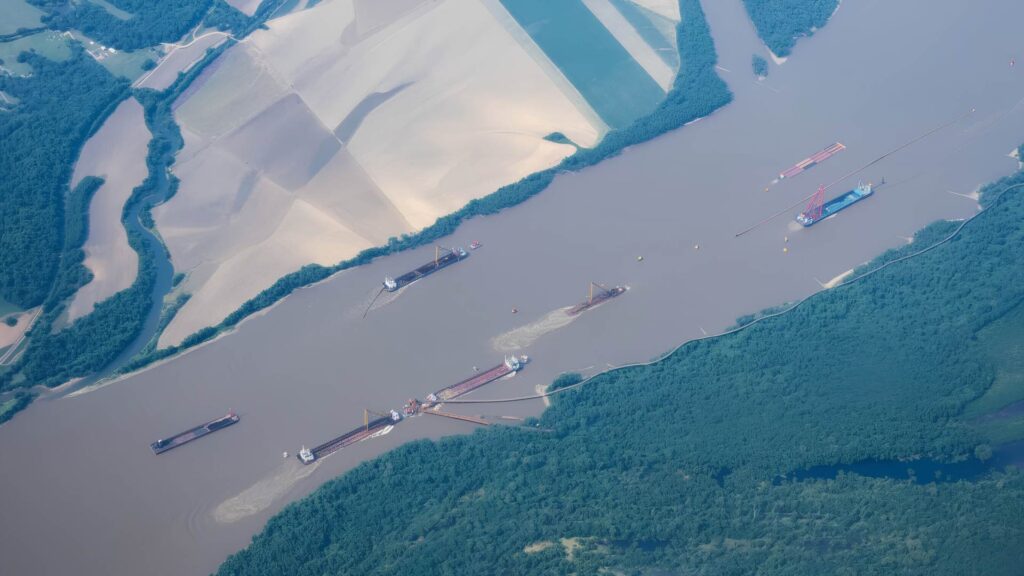
Missouri’s diverse landscape presents unique access challenges. Some projects are located along major rivers like the Missouri or Mississippi, while others involve remote ponds, reservoirs, or confined industrial sites.
Limited access can increase mobilization time, require temporary access roads, or necessitate smaller equipment staged in phases. Transportation of crews and material also plays a role, particularly when disposal sites are located farther from the project area.
Missouri Dredge’s familiarity with local conditions enables efficient project planning, reducing unnecessary logistical costs.
- Equipment and Technology Requirements
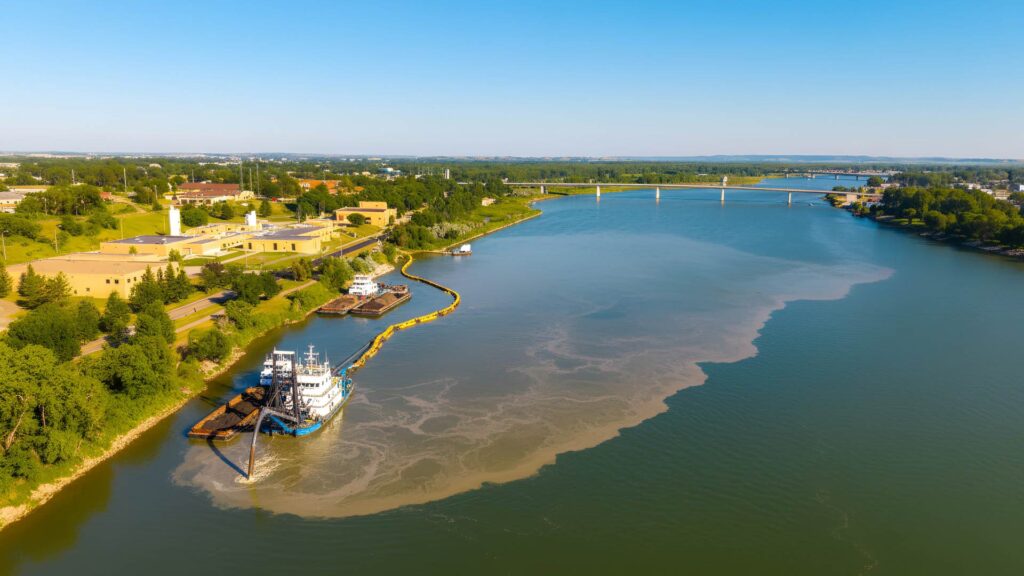
The type of equipment selected directly impacts dredging costs in Missouri. Cutter suction dredges, mechanical dredges, and specialty equipment each serve different purposes depending on site conditions.
While advanced equipment may carry higher upfront costs, it often delivers faster production rates and cleaner results. Missouri Dredge maintains a versatile fleet designed to match equipment to project needs rather than forcing a single solution onto every job.
This approach helps balance performance, schedule, and cost without sacrificing quality.
- Regulatory and Environmental Compliance
Environmental protection is a major consideration for both municipal and commercial dredging projects in Missouri. Permits, environmental reviews, and compliance measures are required at the state and federal levels.
These processes take time and expertise to navigate correctly. Projects that fail to plan for regulatory requirements often face delays that increase overall cost. Missouri Dredge integrates compliance planning into early project development, helping clients avoid costly surprises.
Municipal Dredging Projects: Specific Cost Considerations
Municipal dredging projects in Missouri are often driven by public needs such as flood control, stormwater management, and water quality improvement. Sediment buildup can reduce reservoir capacity, increase flood risk, and degrade recreational assets that communities rely on.
Budgeting for these projects involves balancing immediate costs with long-term benefits. Effective dredging extends the life of public infrastructure and reduces future maintenance expenses. Missouri communities have seen firsthand how proactive dredging protects roads, neighborhoods, and public spaces.
Missouri Dredge has supported municipal dredging projects ranging from stormwater ponds to large water supply reservoirs, delivering solutions that prioritize safety, durability, and fiscal responsibility.
Commercial Dredging Expenses: What Businesses Need to Know
Commercial dredging expenses are often shaped by operational priorities. Industrial facilities, marinas, and waterfront businesses depend on consistent access and predictable schedules.
Unlike municipal work, commercial projects frequently need to minimize downtime. Delays can disrupt shipping, production, or customer access. As a result, planning and execution efficiency are critical.
Missouri Dredge works closely with commercial clients to align dredging schedules with operational needs, helping businesses manage commercial dredging expenses without compromising productivity.
Cost Breakdown: Typical Expenses You Should Expect
While every project is unique, most dredging jobs in Missouri include several common cost components:
- Mobilization and demobilization
- Equipment deployment
- Labor and supervision
- Material handling and disposal
- Site restoration and cleanup
Below is an illustrative example of how costs may be distributed:
| Cost Category | Approximate Share |
| Mobilization | 10 to 15 percent |
| Equipment | 30 to 40 percent |
| Labor | 25 to 30 percent |
| Disposal | 10 to 20 percent |
| Restoration | 5 to 10 percent |
This breakdown helps clients understand how dredging costs in Missouri are structured and where efficiencies can be gained through good planning.
How Missouri Dredge Helps Optimize Dredging Costs
Keeping dredging costs in Missouri under control is not about cutting corners. It is about making the right decisions early and executing the work with discipline, local knowledge, and accountability. This is where Missouri Dredge separates itself from out-of-state contractors and general marine service providers.
Missouri Dredge operates with a clear objective on every project: deliver effective dredging that meets regulatory requirements, protects the site, and provides long-term value without unnecessary cost escalation. This approach is especially important for municipal dredging projects and commercial dredging expenses, where budgets are closely scrutinized and outcomes matter beyond the immediate job.
Accurate Site Assessments That Prevent Cost Surprises
One of the most common reasons dredging projects exceed budget is incomplete or rushed site evaluation. Missouri Dredge invests time upfront to understand sediment conditions, access constraints, water levels, and surrounding infrastructure before proposing a solution.
By accurately assessing the site from the start, Missouri Dredge helps clients avoid mid-project changes that often drive up dredging costs in Missouri. Municipal clients benefit from predictable budgeting, while commercial clients gain confidence that operations will not be disrupted by unforeseen issues.
Efficient Scheduling That Respects Budgets and Timelines
Scheduling is more than picking a start date. Missouri Dredge builds schedules around seasonal conditions, permit requirements, and client priorities. For municipal dredging projects, this often means coordinating around community use, environmental windows, and funding cycles. For commercial dredging expenses, it means minimizing downtime and aligning work with operational needs.
This level of planning reduces idle time, avoids rushed execution, and keeps costs aligned with expectations. Clients consistently see value in Missouri Dredge’s ability to deliver work when promised without unnecessary extensions.
Equipment Matched to the Job, Not the Other Way Around
Missouri Dredge does not force a single dredging method onto every project. Instead, equipment selection is driven by site conditions, material type, and project goals.
Using the right equipment improves productivity and reduces run time, which directly impacts dredging costs in Missouri. This flexibility is especially valuable for municipalities managing diverse assets and for businesses that require reliable performance without disruption.
Built-In Compliance and Safety Oversight
Regulatory compliance is not an afterthought for Missouri Dredge. Permits, environmental safeguards, and safety requirements are integrated into project planning from the beginning.
This proactive approach protects clients from delays, fines, or rework that can quickly inflate both municipal dredging projects and commercial dredging expenses. Missouri Dredge’s familiarity with Missouri and federal requirements ensures projects move forward smoothly and responsibly.
A Proven Local Partner You Can Rely On
Perhaps the most important advantage Missouri Dredge offers is trust. Municipal leaders and commercial operators across the state rely on Missouri Dredge because the company understands local waterways, communicates clearly, and stands behind its work.
From initial consultation through final site restoration, Missouri Dredge remains engaged, responsive, and focused on results. This commitment to service is why clients return for repeat projects and why Missouri Dredge continues to be recognized as a dependable authority on dredging costs in Missouri.
For clients seeking more than just a contractor, Missouri Dredge delivers the confidence that comes from working with a team that knows Missouri, understands real-world constraints, and treats every project as a long-term partnership rather than a one-time transaction.
Common Misconceptions About Dredging Costs
One of the biggest challenges municipalities and businesses face when planning a dredging project is separating fact from assumption. Over the years, Missouri Dredge has worked with many clients who delayed necessary work because of misconceptions about dredging costs in Missouri. These misunderstandings often lead to higher long-term expenses and greater operational risk.
- “Dredging Is Always Expensive”
This is one of the most common misconceptions. While dredging is a significant investment, it is not automatically cost prohibitive. In many cases, postponing dredging leads to reduced water capacity, increased flooding risk, restricted access, or regulatory issues that end up costing more than proactive maintenance.
For municipal dredging projects, early sediment removal often extends the usable life of reservoirs, stormwater ponds, and waterways. Addressing sediment buildup before it reaches critical levels allows municipalities to plan budgets more effectively rather than responding to emergency conditions.
For private clients, delaying dredging can increase commercial dredging expenses by forcing rushed schedules, limited contractor availability, or operational shutdowns that disrupt business continuity.
- “All Dredging Companies Charge the Same”
Another misconception is that pricing is standardized across all dredging contractors. In reality, experience, equipment selection, project planning, and local knowledge all influence cost outcomes.
A contractor unfamiliar with Missouri waterways may underestimate sediment conditions or site access challenges, resulting in change orders that inflate dredging costs in Missouri. Missouri Dredge’s familiarity with local rivers, lakes, and regulatory agencies allows for more accurate estimates and fewer surprises during execution.
- “Cheapest Bid Equals Best Value”
Choosing the lowest bid without understanding what is included can create problems later. Some bids exclude disposal logistics, restoration work, or compliance support, shifting those costs back to the client mid-project.
Missouri Dredge focuses on transparent pricing that reflects the full scope of work, helping clients understand how municipal dredging projects and commercial dredging expenses are structured from start to finish.
Tips to Control and Reduce Dredging Costs in Missouri
While many cost factors are unavoidable, there are proven ways to manage and reduce dredging costs in Missouri without sacrificing quality or compliance. These strategies apply to both public agencies and private operators.
- Conduct Early Site Evaluations
Early site assessments are one of the most effective cost control tools. Understanding sediment depth, material type, and access conditions allows for realistic planning and equipment selection.
Missouri Dredge encourages clients to evaluate sites before sediment accumulation becomes severe. This approach helps municipal dredging projects remain predictable and prevents emergency work that drives up cost.
- Plan Projects Strategically
Timing matters. Seasonal water levels, weather patterns, and environmental restrictions can influence productivity. Planning dredging during optimal windows often reduces downtime and improves efficiency.
For commercial dredging expenses, aligning work with operational schedules can prevent unnecessary interruptions and associated revenue loss.
- Choose the Right Dredging Partner
Local experience matters more than many clients realize. Contractors with Missouri-specific knowledge understand permitting processes, soil behavior, and access challenges unique to the state.
Missouri Dredge’s regional expertise allows projects to move forward smoothly, reducing delays that often inflate dredging costs in Missouri.
- Reuse Dredged Material When Possible
In some cases, dredged material can be repurposed for shoreline stabilization, land improvement, or construction fill. Reuse reduces disposal costs and adds value to the project.
Both municipal dredging projects and commercial dredging expenses can benefit from creative material management when conditions allow.
- Demand Transparent Bidding and Communication
Clear communication prevents misunderstandings. Clients should expect detailed scopes, realistic schedules, and open discussion of potential risks.
Missouri Dredge prioritizes transparency so clients understand where costs come from and how decisions impact the final budget.
Contact Missouri Dredge Today for a Free Dredging Cost Assessment
Dredging is not just a maintenance activity. It is an investment in safety, functionality, and long-term asset protection. Understanding what drives dredging costs in Missouri allows municipalities and businesses to make informed decisions that prevent emergencies, control budgets, and extend the life of critical waterways.
From material conditions and access challenges to permitting requirements and equipment selection, every factor plays a role in shaping both municipal dredging projects and commercial dredging expenses. The key is working with a partner who understands how these elements interact in real-world Missouri conditions.
Missouri Dredge continues to serve as a trusted local authority by delivering dependable solutions backed by experience, transparency, and practical execution. Whether the goal is protecting public infrastructure or maintaining commercial operations, Missouri Dredge provides the insight and capability needed to move projects forward with confidence.If you are planning a dredging project in Missouri, reach out to Missouri Dredge for a site-specific consultation and clear cost guidance. Call, email, or use the contact form on our website to get started and ensure your project is planned the right way from day one.