Missouri’s rivers and lakes are essential to the state’s economy, environment, and communities. They supply drinking water, support agriculture and industry, reduce flood risk, and provide recreational opportunities that draw visitors from across the Midwest. From the Missouri River flowing across the northern part of the state to inland lakes near towns, parks, and residential developments, water quality plays a direct role in public health and long-term sustainability.
Over time, however, many of these waterways face declining conditions caused by sediment buildup, nutrient loading, and restricted circulation. Addressing these challenges requires more than surface-level solutions. This is where Missouri river dredging becomes a critical tool for restoring and maintaining healthy waterways. Modern dredging projects are increasingly designed around environmental performance, making water quality dredging a practical and proven solution for long-term improvement.
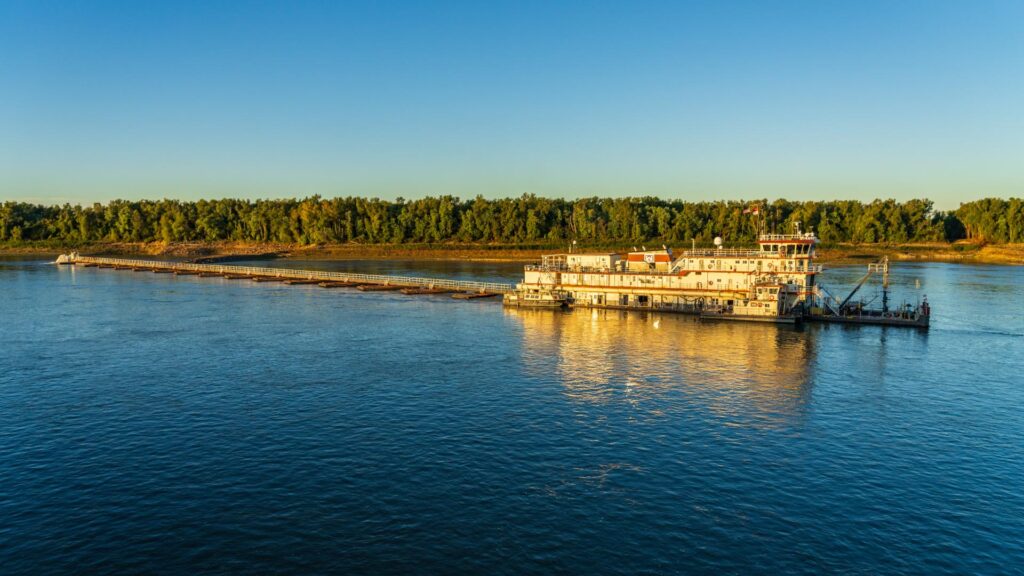
Local contractors such as Missouri Dredge specialize in dredging solutions tailored specifically to Missouri’s rivers, lakes, and reservoirs. By combining local expertise with modern dredging methods, Missouri Dredge supports projects focused on restoring depth, improving circulation, and removing problematic sediments that directly affect water quality.
This article explores how dredging improves water quality in Missouri rivers and lakes, why sediment accumulation is such a persistent local issue, and how carefully planned lake and river sediment removal projects deliver lasting benefits for ecosystems and communities across the state.
Understanding Dredging and Its Role in Water Quality Improvement
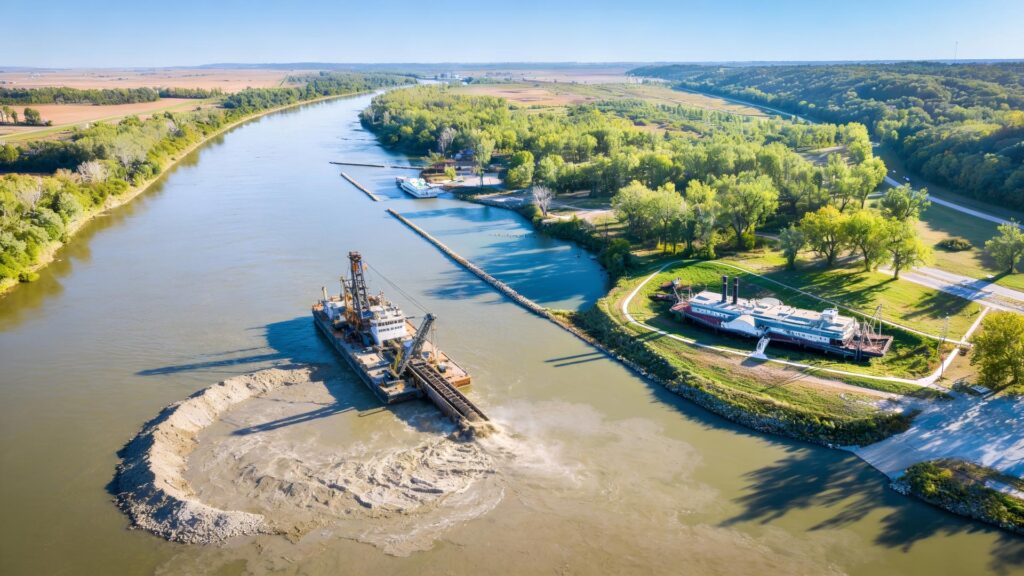
Dredging is the process of removing accumulated sediment—such as silt, sand, clay, and organic matter—from the bottom of a water body. While dredging has traditionally been associated with navigation channels and flood control, its role in environmental restoration has become increasingly important.
In a water quality context, dredging addresses sediments that store nutrients and contaminants. Even when upstream pollution sources are reduced, these sediments can continue releasing phosphorus, nitrogen, and other pollutants back into the water column. This process, known as internal loading, is a common reason lakes and slow-moving rivers struggle to recover.
In Missouri, water quality dredging is often performed using hydraulic dredging methods, which remove sediment as a slurry and pump it to a designated dewatering or treatment area. This approach allows for targeted removal with minimal disturbance when properly planned. Mechanical dredging may also be used in smaller lakes or near shorelines where access is limited.
Why Sediment Accumulates in Missouri Rivers and Lakes
Sediment accumulation in Missouri waterways is driven by a combination of natural processes and human activity. Understanding these factors helps explain why Missouri river dredging is often necessary even in well-managed watersheds.
- Agricultural Runoff
Missouri’s agricultural landscape contributes fine soil particles and nutrients to rivers and lakes during rainfall events. Over time, these materials settle in slower-moving sections, increasing sediment depth and nutrient concentrations.
- Urban and Suburban Development
Growth around Kansas City, St. Louis, Columbia, and Springfield has increased stormwater runoff. Impervious surfaces accelerate water flow, carrying sediment and pollutants into nearby waterways, where they accumulate in downstream lakes and ponds.
- Natural River Dynamics
Rivers like the Missouri naturally transport large sediment loads, especially during seasonal flooding. While this is part of a healthy system, sediment often settles in marinas, side channels, intake areas, and backwaters where flow velocity decreases.
- Aging Reservoirs and Lakes
Many Missouri lakes and reservoirs were built decades ago. Without periodic lake and river sediment removal, these water bodies gradually lose depth and storage capacity, impacting water quality and usability.
How Sediment Negatively Impacts Water Quality
Sediment affects water quality in several interconnected ways. Fine particles suspended in the water reduce clarity, limiting sunlight penetration and disrupting aquatic plant growth. When sediment settles, it often carries nutrients such as phosphorus that fuel algae growth.
In lakes and slow-moving river sections, nutrient-rich sediments can trigger eutrophication. As algae die and decompose, oxygen levels drop, stressing fish and other aquatic organisms. These conditions are increasingly common during Missouri’s hot summer months.
Sediments can also bind contaminants, including heavy metals and hydrocarbons from historical industrial activity. Without lake and river sediment removal, these materials remain a long-term source of pollution even after external inputs are reduced.
How Missouri River Dredging Improves Water Quality
- Removing Nutrient-Rich and Contaminated Sediments
One of the most direct benefits of water quality dredging is the removal of sediments that store nutrients and contaminants. By physically extracting these materials, dredging eliminates a persistent internal pollution source.
In Missouri waterways impacted by agricultural or urban runoff, Missouri river dredging can significantly reduce phosphorus release, improving water clarity and limiting algal blooms.
- Restoring Depth and Circulation
Sediment accumulation makes water bodies shallower and disrupts circulation. Shallow water warms faster and is more prone to oxygen depletion. Missouri river dredging restores depth, improving circulation and temperature stability.
Improved circulation supports higher dissolved oxygen levels, which are critical for fish, invertebrates, and beneficial microorganisms.
- Supporting Aquatic Habitat
Excess sediment can smother spawning areas and reduce habitat diversity. Strategic lake and river sediment removal restores natural bottom contours and substrate conditions, supporting healthier aquatic ecosystems.
In Missouri, dredging is frequently used to improve backwater habitats and restore fishing areas in lakes and reservoirs.
- Improving Flood Capacity and Water Storage
Sediment buildup reduces channel capacity and reservoir volume. During high-flow events, this increases flood risk. Missouri river dredging restores hydraulic capacity, reducing erosion and protecting downstream water quality.
Missouri’s Rivers and Lakes: A Local Perspective
Missouri’s waterways range from large rivers to small municipal lakes, each with unique challenges. The Missouri River requires targeted dredging in specific locations such as water intakes and marinas, where sediment affects both access and water quality.
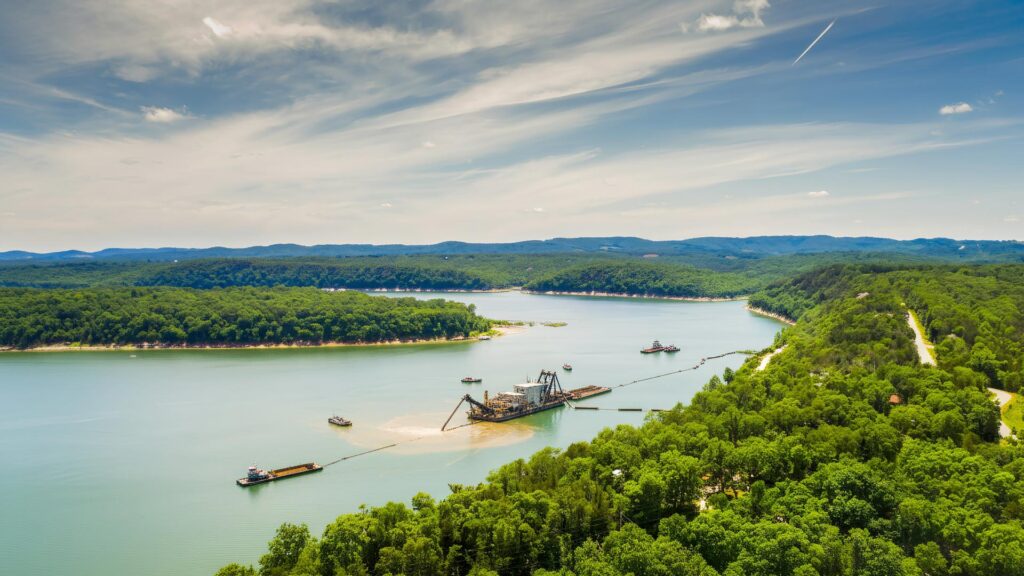
Inland lakes, particularly in regions like the Lake of the Ozarks, experience sediment accumulation from shoreline development, boating activity, and watershed inputs. Targeted water quality dredging in coves and shallow areas improves clarity and reduces nuisance algae.
Stormwater ponds and municipal reservoirs across Missouri also benefit from periodic lake and river sediment removal, especially where water bodies serve as drinking water sources or flood control infrastructure.
Best Practices for Water Quality Dredging in Missouri
Effective water quality dredging requires careful planning and local expertise. Environmental permitting through the Missouri Department of Natural Resources ensures projects meet state water quality standards.
Timing is critical. Many dredging projects are scheduled outside sensitive fish spawning periods, and turbidity controls are used to protect downstream areas. Sediment is dewatered and managed responsibly, often with opportunities for beneficial reuse.
Local experience with Missouri hydrology, sediment types, and regulatory requirements plays a key role in successful outcomes.
Missouri Dredge: Proven Expertise in Missouri River Dredging
Successful Missouri river dredging depends on understanding local conditions, not just operating equipment. Each river, lake, and reservoir presents unique challenges related to sediment composition, flow patterns, and environmental constraints.
Missouri Dredge brings hands-on experience across the state, delivering dredging solutions focused on environmental performance. Their projects emphasize precision lake and river sediment removal designed to restore depth, improve circulation, and support long-term water quality improvements.
By combining modern dredging technology with local regulatory knowledge, Missouri Dredge supports municipalities, lake associations, and private stakeholders seeking effective and compliant solutions.
Benefits for Missouri Communities
Cleaner waterways deliver tangible benefits for Missouri communities. Improved water quality supports recreation, tourism, and property values, especially in lake-centered regions. Municipalities benefit from reduced water treatment costs and improved reliability of surface water supplies.
For agricultural areas, water quality dredging addresses legacy sediment issues that persist even after conservation practices are implemented upstream. In urban environments, Missouri river dredging complements stormwater improvements and reduces long-term maintenance demands.
Beyond Dredging: Long-Term Water Quality Strategies
While dredging provides immediate improvements, long-term success depends on integrated watershed management. Erosion control, riparian buffers, and improved stormwater systems reduce future sediment inputs.
When combined with lake and river sediment removal, these measures help sustain water quality gains over time. Monitoring programs allow communities to evaluate progress and adapt strategies as conditions change.
Moving Forward: Partnering for Cleaner Missouri Waterways
Missouri’s rivers and lakes are dynamic systems shaped by both natural forces and human activity. As sedimentation and nutrient loading continue to challenge water quality, Missouri river dredging remains one of the most effective restoration tools available.
When designed with environmental outcomes in mind, water quality dredging improves clarity, supports aquatic life, enhances flood capacity, and protects long-term ecosystem health. Strategic lake and river sediment removal delivers measurable benefits for communities, infrastructure, and natural resources.
If your community, lake association, or organization is facing sediment buildup or water quality challenges, working with a trusted local expert makes a measurable difference. Missouri Dredge provides proven dredging solutions tailored specifically to Missouri waterways, backed by local experience and environmental responsibility.